How to Build a Smart Home on a Budget
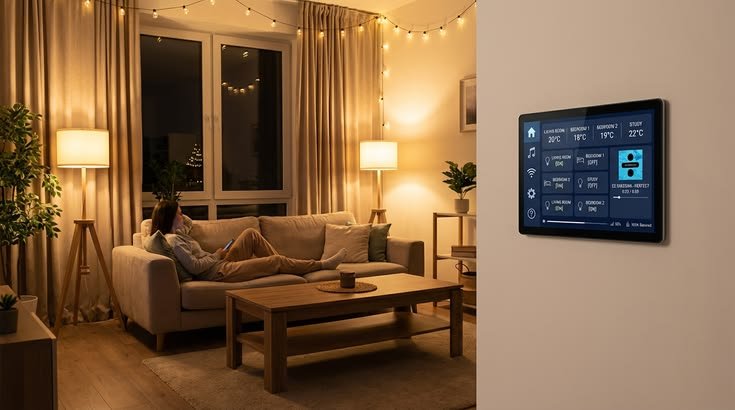
Smart home technology is no longer limited to expensive houses or complicated installations. Today, homeowners and renters can add smart devices to their homes without spending a large amount of money. From smart bulbs and plugs to security cameras and sensors, there are many affordable options that can make everyday tasks easier.
The key to building a smart home on a budget is to focus on useful devices instead of buying every connected product available. A simple plan can help you control costs while still creating a home that offers convenience, automation, and better control over household devices.
Whether you live in a small apartment, a rented property, or a family home, you can start with a few affordable products and expand your setup over time.
What Is a Smart Home?
A smart home is a home where connected devices can be controlled, monitored, or automated using technologies such as Wi-Fi, Bluetooth, smartphone applications, voice commands, or compatible smart home platforms.
Instead of manually operating every device, users can create schedules and routines. For example, lights can turn on at a specific time, a smart plug can switch off automatically, or a security camera can send an alert when motion is detected.
A smart home does not need dozens of devices. Even two or three connected products can provide useful automation.
Start With a Smart Home Plan
Before buying anything, decide what you want your smart home to accomplish.
Some people want better lighting control. Others are interested in security, energy management, entertainment, or cleaning automation.
Make a simple list of the problems you want technology to solve.
For example:
- Forgetting to switch lights off
- Wanting to monitor the front door
- Managing appliances remotely
- Reducing unnecessary electricity use
- Automating daily routines
- Improving home security
Once you know your priorities, you can spend your budget on devices that provide practical value.
Start With Affordable Smart Bulbs
Smart bulbs are one of the easiest ways to begin building a smart home.
A basic smart bulb can allow you to control lighting through a smartphone application. Depending on the model, you may also be able to schedule lights, adjust brightness, or create automated routines.
Instead of replacing every bulb in the house, start with the rooms you use most often.
For example, you could install smart bulbs in the bedroom, living room, or workspace. After using them for a while, you can decide whether additional bulbs are worth the cost.
Starting small keeps your initial investment low.
Add Smart Plugs
Smart plugs are another affordable option for beginners.
A smart plug connects to a normal electrical outlet and allows a compatible appliance to be controlled through an app or automation system.
You can use smart plugs with lamps, fans, chargers, and other suitable appliances.
For example, a lamp can be scheduled to turn on in the evening and switch off at bedtime.
Smart plugs can also help manage devices that are frequently forgotten. However, always check the smart plug’s electrical rating before connecting an appliance, especially one that uses significant power.
Choose One Main Smart Home Platform
One common mistake when building a smart home is purchasing devices from too many unrelated ecosystems.
Before buying multiple products, decide which platform or control system you want to use.
The goal is to make your devices work together as easily as possible.
A compatible ecosystem can allow you to control several products from a single application or create routines that involve multiple devices.
You should check compatibility before purchasing because not every smart bulb, plug, camera, or sensor works with every platform.
Use Your Existing Smartphone
You may not need an expensive smart home hub at the beginning.
Many affordable smart devices connect directly to a smartphone application over Wi-Fi or another supported connection.
Your smartphone can therefore act as the primary control interface.
This reduces the need to purchase additional hardware when you are starting out.
If you later decide to build a more advanced system, you can consider adding a dedicated hub or other controller based on the devices you choose.
Build Your Smart Home Gradually
There is no need to buy everything at once.
A gradual approach is one of the best ways to control your smart home budget.
You could begin with one smart bulb and one smart plug. After using them for several weeks, identify which additional tasks could benefit from automation.
Next, you might add a motion sensor, security camera, or smart speaker.
This approach also gives you time to learn how each device works before adding more products.
Consider Smart Sensors
Smart sensors can provide useful automation without requiring expensive equipment.
Different sensors can detect motion, doors opening or closing, temperature, humidity, or water leaks.
For example, a motion sensor could trigger a light when someone enters a room.
A door sensor could send an alert when a door opens.
A water leak sensor could notify you when moisture is detected in a location where a leak could cause damage.
Because sensors are generally small, they can be added to a smart home gradually.
Add Security Devices Based on Need
Security products can become one of the more expensive parts of a smart home, so choose carefully.
Instead of installing several cameras, start with the area that matters most.
A smart doorbell or one outdoor camera may be enough for basic monitoring of an entrance.
Before buying, compare features such as video quality, night vision, motion detection, storage options, mobile notifications, and subscription requirements.
Pay attention to ongoing costs. A device that appears inexpensive initially may require a monthly subscription for certain features.
Look for Products With No Required Subscription
Subscription fees can increase the cost of a smart home over time.
When comparing products, check whether important features are available without a monthly payment.
Some devices offer local storage, while others rely heavily on cloud services.
If keeping costs low is a priority, calculate the total cost of ownership rather than looking only at the initial purchase price.
For example, a slightly more expensive device without a recurring subscription may cost less over several years.
Buy Based on Features, Not Marketing
Smart home products often come with long lists of features.
However, more features do not always mean better value.
Consider what you actually need.
If you only want to switch a lamp on and off remotely, you may not need an advanced device with numerous additional functions.
Similarly, if you want a basic security camera, choose the features that are important for your location instead of paying for functions you will never use.
A simple device that performs its main job reliably can be better than an expensive product with features you do not use.
Check Energy Requirements
Smart devices consume electricity, although the amount varies by product.
Before buying several always-connected devices, consider their power requirements.
Smart plugs can help monitor or schedule connected appliances on supported models. Smart thermostats and lighting systems may also provide better control over when equipment operates.
However, actual energy savings depend on your home’s equipment, usage patterns, settings, and local electricity rates.
Smart technology should therefore be viewed as a tool for better management rather than an automatic guarantee of lower bills.
Use Automation to Get More Value
Automation is where a smart home can become particularly useful.
Instead of manually controlling every device, create routines based on your daily schedule.
A simple evening routine might turn on selected lights at a certain time.
A bedtime routine could switch off lights and compatible devices.
A morning routine might turn on a lamp and activate another connected device.
The exact options depend on the products and platform you use.
Automation can make inexpensive devices more useful because several simple actions can be combined into one routine.
Improve Your Wi-Fi Before Adding Many Devices
A smart home depends on reliable connectivity.
If your Wi-Fi signal is weak, connected devices may disconnect or respond slowly.
Before purchasing many smart products, make sure your router is positioned appropriately and your home has adequate wireless coverage.
You may not need an expensive new router immediately. Moving the existing router to a more suitable central location can sometimes improve coverage.
For larger homes, additional networking equipment may be useful.
Protect Your Smart Home
Security should be part of your smart home budget.
Connected devices communicate through networks and may store account information or other data.
Use strong, unique passwords for your accounts and enable two-factor authentication where available.
Keep device firmware and mobile applications updated.
Your Wi-Fi network should also use modern security settings supported by your router and devices.
Do not ignore security simply because a device appears inexpensive.
Smart Home Ideas for Different Budgets
Small Budget
With a small budget, focus on basic automation.
You could start with:
- One or two smart bulbs
- One smart plug
- A basic sensor
- A compatible smartphone application
This setup can already provide scheduled lighting and appliance control.
Medium Budget
With a larger budget, you could add:
- Several smart bulbs
- Multiple smart plugs
- A smart speaker
- Motion or door sensors
- One security camera
This creates more opportunities for automation.
Larger Budget
If you have more money available, you can expand into:
- Smart locks
- Smart thermostats
- Multiple security cameras
- Robot vacuum cleaners
- Advanced sensors
- Smart appliances
- A dedicated smart home controller
The important point is that you should expand based on actual needs.
Smart Home Mistakes to Avoid
Building a smart home can become expensive if you do not plan ahead.
One common mistake is buying devices without checking compatibility.
Another is purchasing products with recurring subscription fees without calculating long-term costs.
Buying too many devices at once can also create unnecessary complexity.
Poor Wi-Fi coverage is another problem. A large number of connected devices cannot compensate for an unreliable network.
Finally, avoid ignoring privacy and security. Every connected device should be configured carefully.
How to Save Money When Buying Smart Devices
Look for discounts from reliable retailers and compare prices between multiple sellers.
You can also consider previous-generation models when the features meet your needs.
However, avoid choosing products only because they are extremely cheap. A poorly supported device may become difficult to use if the manufacturer stops providing software updates or application support.
Check product compatibility, warranty information, software support, and user feedback before making a purchase.
Final Thoughts
Building a smart home on a budget is possible when you focus on useful automation rather than the number of devices you own.
Start with affordable products such as smart bulbs and smart plugs. Choose a compatible platform, use your existing smartphone, and gradually add sensors, security devices, speakers, or other products as your needs grow.
Always consider the total cost, including subscriptions, replacement batteries, maintenance, and networking equipment.
Security should also be a priority. Use strong passwords, enable available account protection features, and keep connected devices updated.
A smart home does not need to be expensive or complicated. A few carefully selected devices can provide useful control and automation while keeping your spending under control. The best smart home is one that solves real problems and makes everyday routines easier without creating unnecessary complexity.