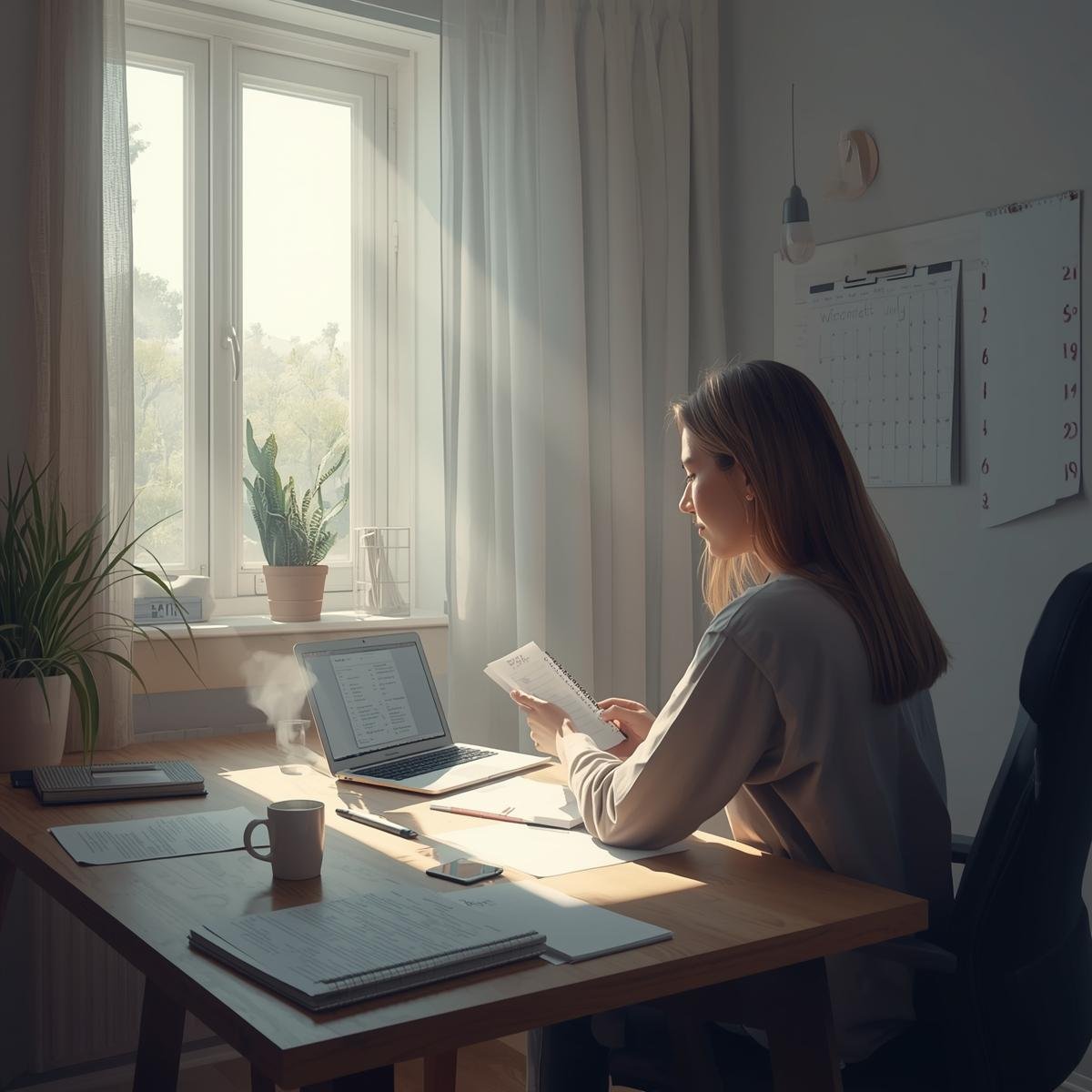
Balancing work and personal life has become one of the biggest challenges for modern professionals. With remote jobs, mobile devices, and constant connectivity, the line between career and personal time often disappears.
True balance does not mean giving equal hours to everything. It means managing responsibilities in a way that supports both professional success and personal well-being.
This guide explains realistic strategies to create a healthier balance.
Understand What Work-Life Balance Really Means
Work-life balance looks different for everyone.
For some, it means spending evenings with family.
For others, it means having time for fitness, hobbies, or rest.
Balance is about control over your time, not perfection.
Set Clear Work Boundaries
Without boundaries, work expands into personal hours.
Create limits such as:
- Fixed start and end times
- No work emails after a certain hour
- Separate work and home spaces
Communicate these boundaries to coworkers and clients.
Consistency helps others respect your time.
Define Your Priorities
You cannot give full attention to everything.
Identify what matters most:
- Career goals
- Family
- Health
- Personal growth
Use these priorities to guide decisions.
Say yes to what aligns with them. Say no to what does not.
Create a Daily Schedule
A structured day prevents work from taking over.
Include:
- Focused work blocks
- Breaks
- Personal activities
Schedule personal time the same way you schedule meetings.
If it is not planned, it often disappears.
Learn to Disconnect From Work
Being constantly available increases stress.
Steps to disconnect:
- Turn off work notifications
- Avoid checking email at night
- Power down work devices
Mental separation improves sleep and focus.
Take Regular Breaks During the Day
Short breaks improve energy.
Use breaks to:
- Walk
- Stretch
- Drink water
- Rest eyes
Avoid spending breaks on social media.
Physical movement refreshes your mind.
Avoid Overworking
Working longer hours does not always improve results.
Productivity decreases when fatigue builds.
Pay attention to warning signs:
- Trouble sleeping
- Constant tiredness
- Loss of motivation
Rest is part of performance.
Use Technology Wisely
Technology should support balance, not damage it.
Helpful tools include:
- Calendar apps
- Task managers
- Focus timers
Unhelpful habits include:
- Endless scrolling
- Late-night emails
- Constant notifications
Control your devices instead of letting them control you.
Delegate and Ask for Support
You do not have to manage everything alone.
At work, delegate tasks when possible.
At home, share responsibilities.
Asking for help reduces pressure and improves relationships.
Protect Personal Activities
Personal time is not optional.
Make room for:
- Exercise
- Family meals
- Hobbies
- Quiet moments
These activities restore energy and prevent burnout.
Practice Saying No
Taking on too much creates imbalance.
You can decline requests respectfully.
Examples:
- “I’m not available right now.”
- “I’ll need to pass on this.”
- “My schedule is full.”
Protecting your time is healthy.
Review Your Balance Weekly
Once a week, reflect:
- Did work take over personal time?
- Did you rest enough?
- What needs adjustment?
Small weekly changes prevent long-term stress.
Common Work-Life Balance Mistakes
Many people struggle because they:
- Work late every night
- Skip meals or exercise
- Ignore personal needs
- Stay connected 24/7
Awareness is the first step to change.
Sample Balanced Day
Morning
- Work priorities
- Focus session
Midday
- Lunch break
- Short walk
Afternoon
- Meetings
- Light tasks
Evening
- Disconnect from work
- Personal time
Night
- Prepare for tomorrow
- Sleep on schedule
Adjust this based on your lifestyle.
Final Thoughts
Work-life balance is not achieved overnight. It develops through boundaries, routines, and conscious choices.
When you manage time with intention, work becomes more focused and personal life feels more present.
Start with one change. Build slowly.
A balanced life supports long-term success and personal well-being.