Baking a cake can be rewarding, but it often comes with challenges. Uneven textures, sunken centers, or dry slices are common problems. Understanding the fundamentals of baking ensures consistent results.
This guide provides practical tips to achieve perfect cakes every time.
1. Measure Ingredients Accurately
Precision is key in baking.
- Use a kitchen scale for flour, sugar, and butter
- Level off dry ingredients with a knife
- Measure liquids using a clear measuring cup
Even small deviations can affect texture and rise.
2. Use Room Temperature Ingredients
Butter, eggs, and milk should be at room temperature unless the recipe specifies otherwise.
Benefits:
- Ingredients blend more evenly
- Improved texture and crumb
- Better volume in the cake
Take ingredients out of the fridge 30–60 minutes before baking.
3. Preheat the Oven
Always preheat the oven before placing your cake inside.
- Ensures even baking
- Prevents the center from sinking
- Maintains correct cooking time
Use an oven thermometer if necessary to check accuracy.
4. Prepare the Pan Properly
Proper pan preparation prevents sticking.
- Grease and flour the pan
- Use parchment paper for easy removal
- Choose the correct pan size according to the recipe
Uneven or unprepared pans can cause baking issues.
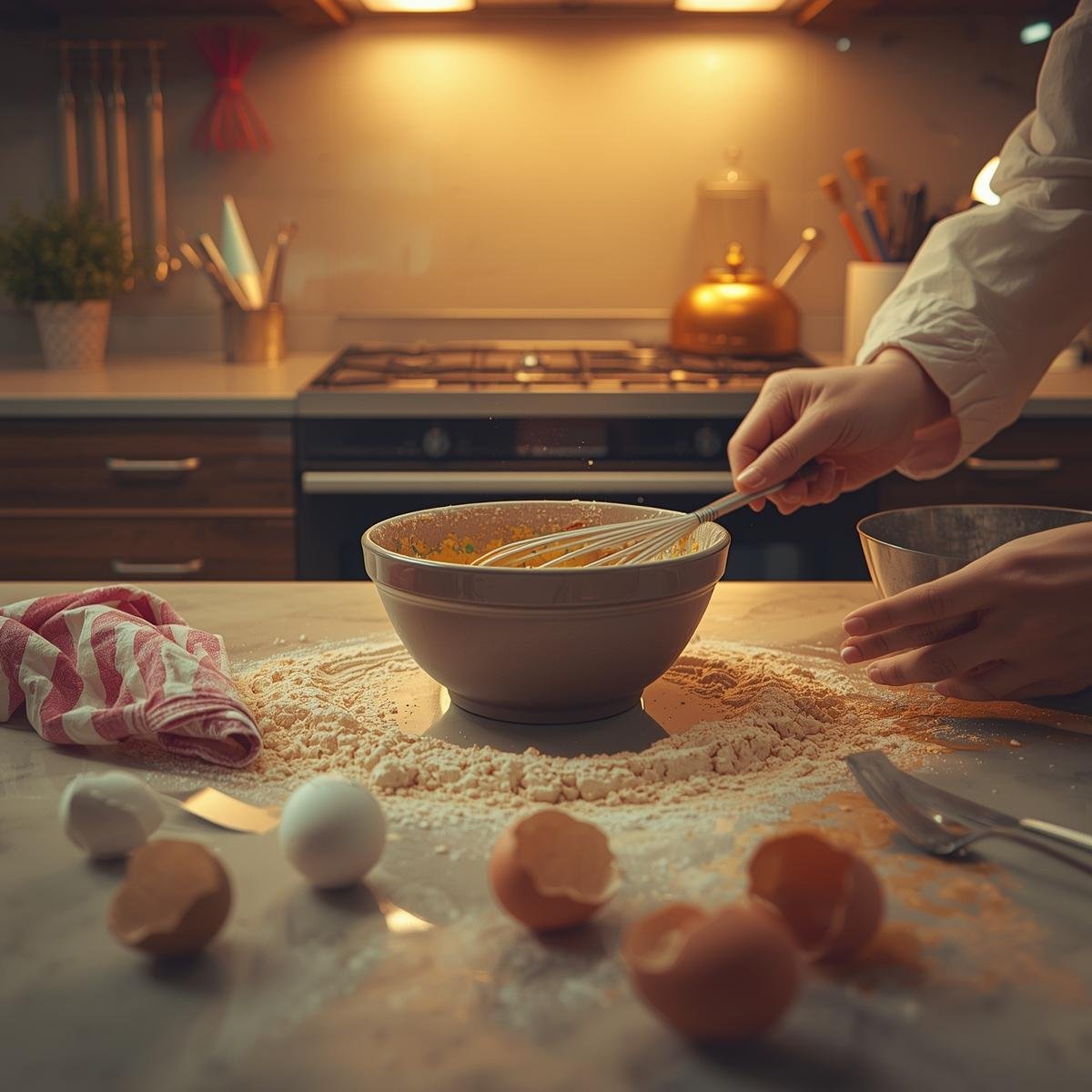
5. Mix Ingredients Correctly
Overmixing or undermixing affects texture.
- Cream butter and sugar until fluffy for most recipes
- Fold dry ingredients gently
- Avoid overmixing once flour is added
Correct mixing produces a tender and light cake.
6. Follow Baking Times and Temperature
Avoid opening the oven frequently, which lowers temperature.
- Bake at the recommended temperature
- Check doneness near the minimum baking time
- Use a toothpick or skewer: it should come out clean
Consistency improves with careful timing.
7. Avoid Overbaking
Overbaking leads to dry cakes.
- Remove from the oven when just done
- Let it cool in the pan briefly before transferring to a rack
- Monitor color and texture for readiness
A well-timed removal ensures moist and soft results.
8. Use Quality Ingredients
Good quality ingredients affect taste and texture.
- Fresh flour, sugar, and eggs
- High-quality chocolate or cocoa
- Natural flavorings like vanilla extract
Better ingredients result in better flavor.
9. Adjust for Altitude or Humidity
High altitude and humidity can affect baking.
- Reduce baking powder slightly at high altitudes
- Adjust liquids if humidity is high
- Monitor baking times
Small adjustments prevent uneven texture.
10. Cool Cakes Properly
Cooling is essential before frosting or slicing.
- Let cake cool in the pan for 5–10 minutes
- Transfer to a wire rack to cool completely
- Frost only after cake is fully cooled
Proper cooling prevents melting frosting and uneven layers.
Common Mistakes to Avoid
- Using expired baking powder or soda
- Skipping sifting flour
- Opening oven too early
- Overfilling cake pans
- Ignoring recipe instructions
Avoiding these mistakes improves consistency.
Final Thoughts
Baking perfect cakes requires precision, patience, and attention to detail. By measuring accurately, using the right ingredient temperature, mixing carefully, and monitoring baking times, anyone can achieve consistent results.
Practice with these tips, and even beginners can create cakes with ideal texture, flavor, and appearance every