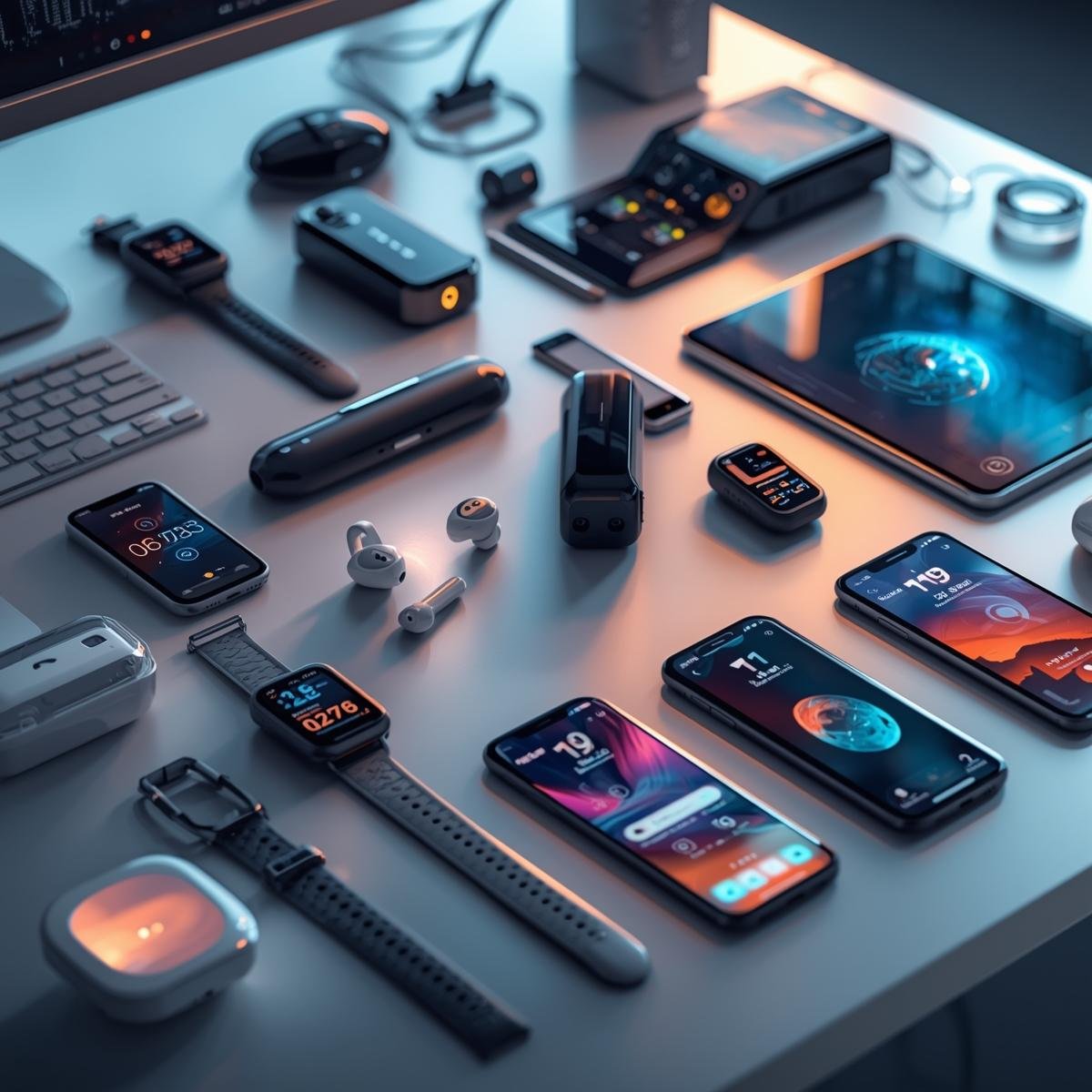
Technology keeps changing how people work, learn, communicate, and manage daily tasks. In 2026, gadgets are not only about entertainment. They support health, productivity, security, and home management.
This guide covers ten gadgets that can help improve everyday routines. Each product category focuses on practical use, long-term value, and real benefits.
1. Smartwatches With Health Tracking
Smartwatches now act as personal health monitors. They track steps, heart rate, sleep cycles, blood oxygen, and activity levels.
Most modern smartwatches also offer:
- Call and message notifications
- GPS tracking
- Workout recording
- Stress monitoring
- Emergency alerts
These watches help users understand daily movement patterns and sleep habits. Many models connect with phones and store data in cloud apps for long-term tracking.
Popular use cases include:
- Fitness planning
- Health awareness
- Work reminders
- Navigation during walks or runs
Smartwatches in 2026 also support contactless payments and voice assistants, making them useful throughout the day.
2. Noise Canceling Headphones
Noise canceling headphones reduce background sound using built-in microphones and processing chips. They are useful in offices, public transport, and shared living spaces.
Key features include:
- Active noise control
- Wireless connectivity
- Long battery life
- Built-in microphones for calls
People use these headphones for remote work, online meetings, study sessions, and media playback.
Many models now support multipoint Bluetooth, allowing users to connect two devices at once. This helps switch between phone and laptop without manual pairing.
3. Smart Home Hubs
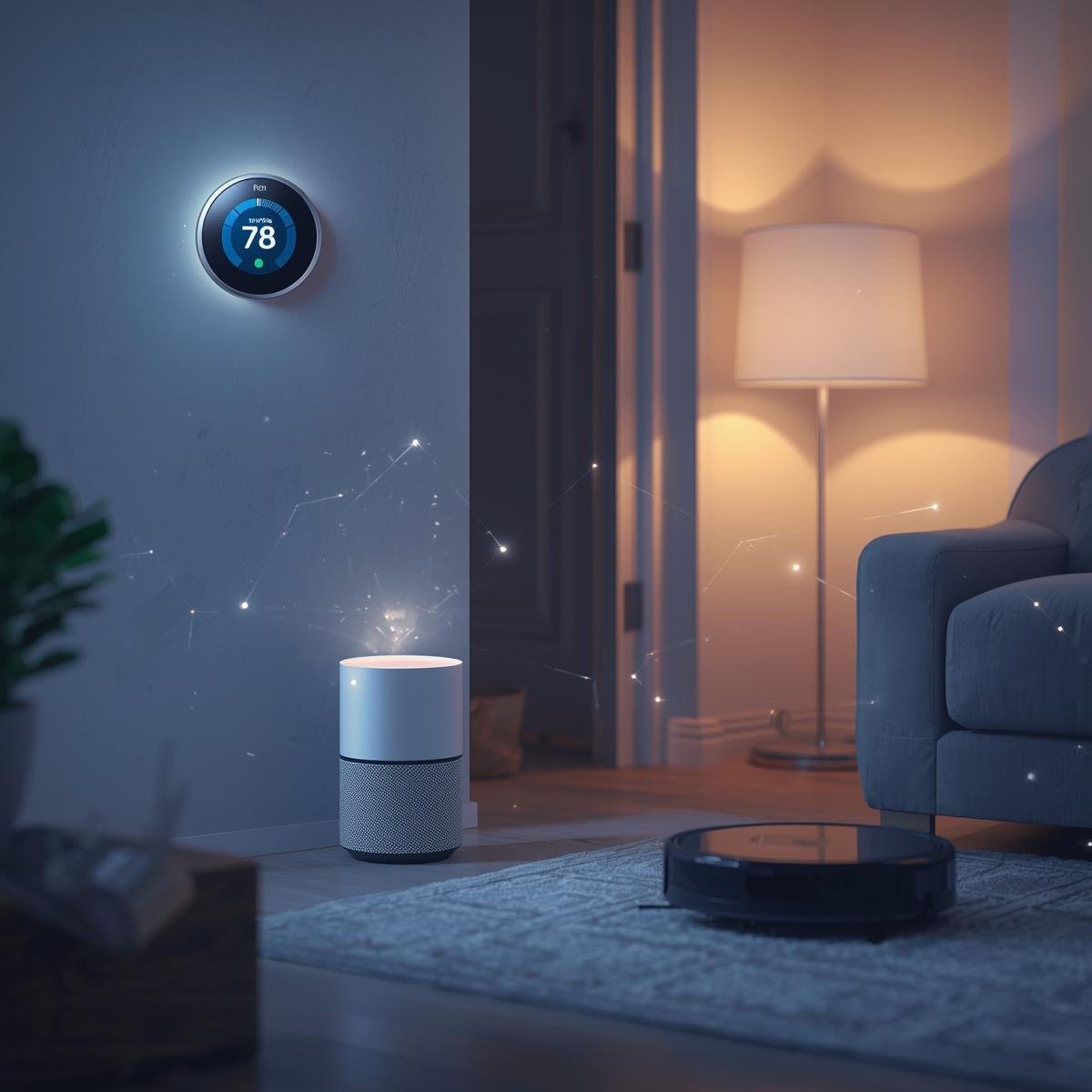
A smart home hub connects and manages devices like lights, cameras, locks, and thermostats from one system.
Instead of controlling each device separately, users manage everything through one app or voice command.
Common connected devices include:
- Smart bulbs
- Door sensors
- Security cameras
- Smart plugs
- Climate controllers
Smart hubs also support automation rules. For example:
- Lights turn on at sunset
- Doors lock at bedtime
- Thermostat adjusts based on room use
This setup saves time and helps manage energy use.
4. Robot Vacuum Cleaners
Robot vacuums clean floors automatically. They move across rooms using sensors and mapping software.
Most 2026 models include:
- Room mapping
- Obstacle detection
- App scheduling
- Self-charging
- Dustbin alerts
Some versions also support mopping.
These devices help maintain clean floors without manual work. Users can schedule cleaning while away from home and monitor progress through mobile apps.
Robot vacuums suit apartments, houses, and offices.
5. Portable Power Stations
Portable power stations store energy and provide outlets for phones, laptops, lights, and small appliances.
They are useful for:
- Power outages
- Outdoor trips
- Remote work locations
- Emergency backup
Modern stations include:
- USB ports
- AC outlets
- Solar charging support
- Battery management systems
Unlike fuel generators, they run silently and without fumes.
Many people now keep one at home for backup power.
6. E-Readers With Cloud Libraries
E-readers offer a focused reading experience without distractions from social apps.
They use e-ink displays that reduce eye strain and support long reading sessions.
Features include:
- Adjustable font size
- Built-in lighting
- Wi-Fi library access
- Cloud syncing
Users can store thousands of books on one device and continue reading across multiple platforms.
E-readers also support note taking and highlighting, making them useful for students and professionals.
7. Smart Doorbells With Cameras
Smart doorbells allow homeowners to see and speak with visitors through a phone app.
They include:
- Motion alerts
- Live video streaming
- Two-way audio
- Cloud recording
These doorbells improve home awareness and help monitor deliveries.
Some models also offer face recognition and package detection.
They connect through Wi-Fi and work with smart home hubs.
8. Foldable Bluetooth Keyboards
Foldable keyboards connect to phones, tablets, and laptops.
They are designed for travel and mobile work.
Common uses include:
- Writing emails
- Editing documents
- Remote tasks
- Study work
They fold into compact sizes and recharge through USB.
For people who work on the move, these keyboards provide a typing experience closer to a laptop.
9. Smart Glasses
Smart glasses in 2026 focus on hands-free access to information.
They support:
- Notifications
- Navigation prompts
- Voice control
- Camera capture
Some models connect with phones to display messages or directions inside the lenses.
They are used by delivery workers, technicians, and travelers who need quick access to data without pulling out a phone.
10. Multi-Device Charging Stations
With phones, earbuds, watches, and tablets, charging cables can create clutter.
Multi-device charging stations solve this problem by charging several gadgets at once from one base.
They support:
- Wireless charging
- USB ports
- Fast charging standards
These stations help organize desks and bedside tables while keeping devices powered.
How These Gadgets Improve Daily Life
Each gadget addresses a common problem:
- Time management
- Home tasks
- Power access
- Personal health
- Device organization
Instead of replacing habits, they support routines.
For example:
- Smartwatches encourage movement
- Robot vacuums reduce cleaning time
- Smart hubs simplify home control
- Charging stations reduce cable mess
Technology works best when it fits into daily life without creating complexity.
Buying Tips for 2026
Before purchasing any gadget, consider:
Compatibility
Check whether the device works with your phone, operating system, or smart home platform.
Battery Life
Look for devices that last at least one full day of use.
Software Updates
Choose brands that provide regular firmware updates.
Warranty
A warranty helps protect your investment.
Real Reviews
Read user feedback instead of relying only on product pages.
Final Thoughts
Gadgets in 2026 focus on solving routine problems rather than adding extra steps. From health tracking to home automation, each device offers practical support.
Choosing the right tools depends on your lifestyle, work needs, and living space. Start with one or two gadgets that match your daily habits, then expand over time.
Smart choices lead to better use of technology.