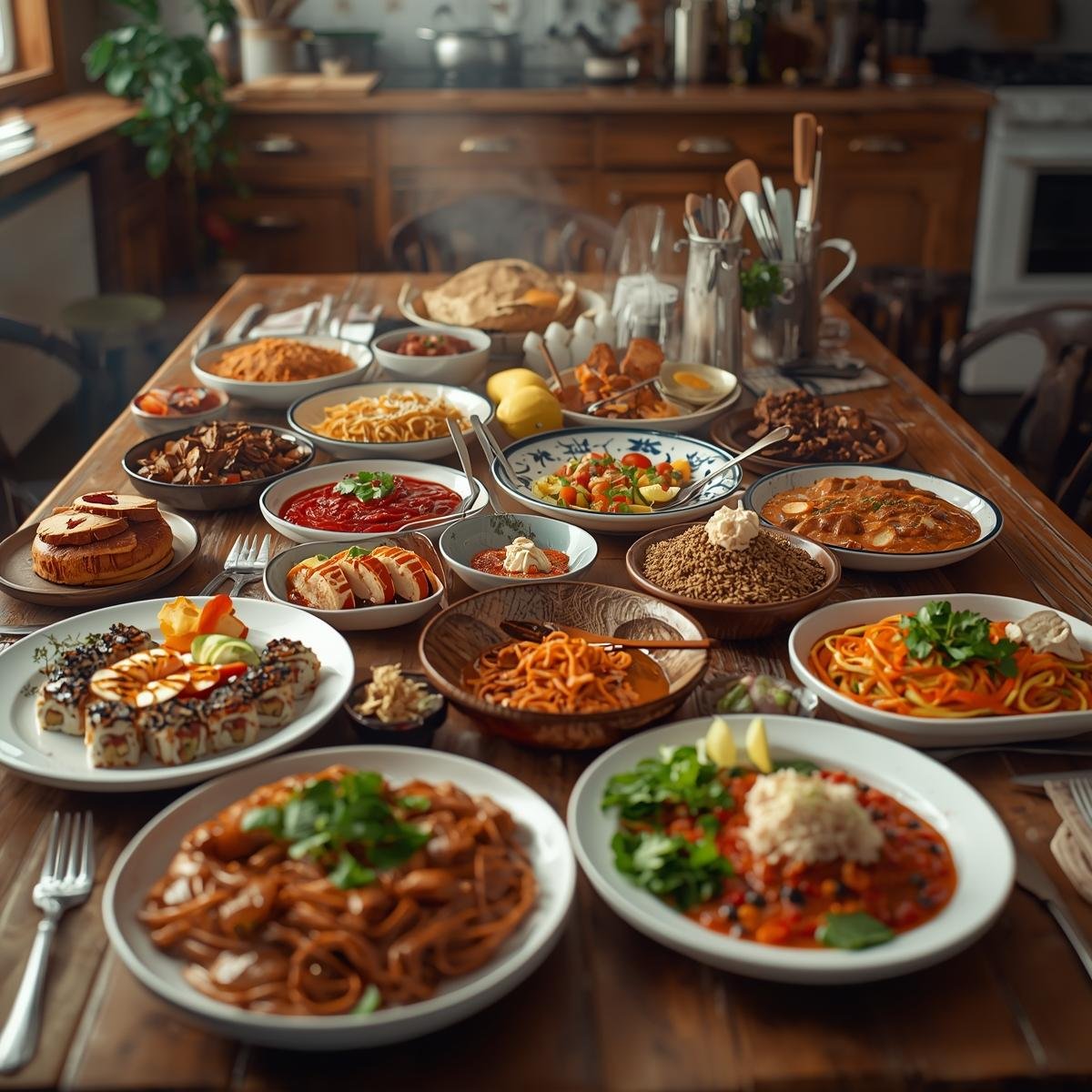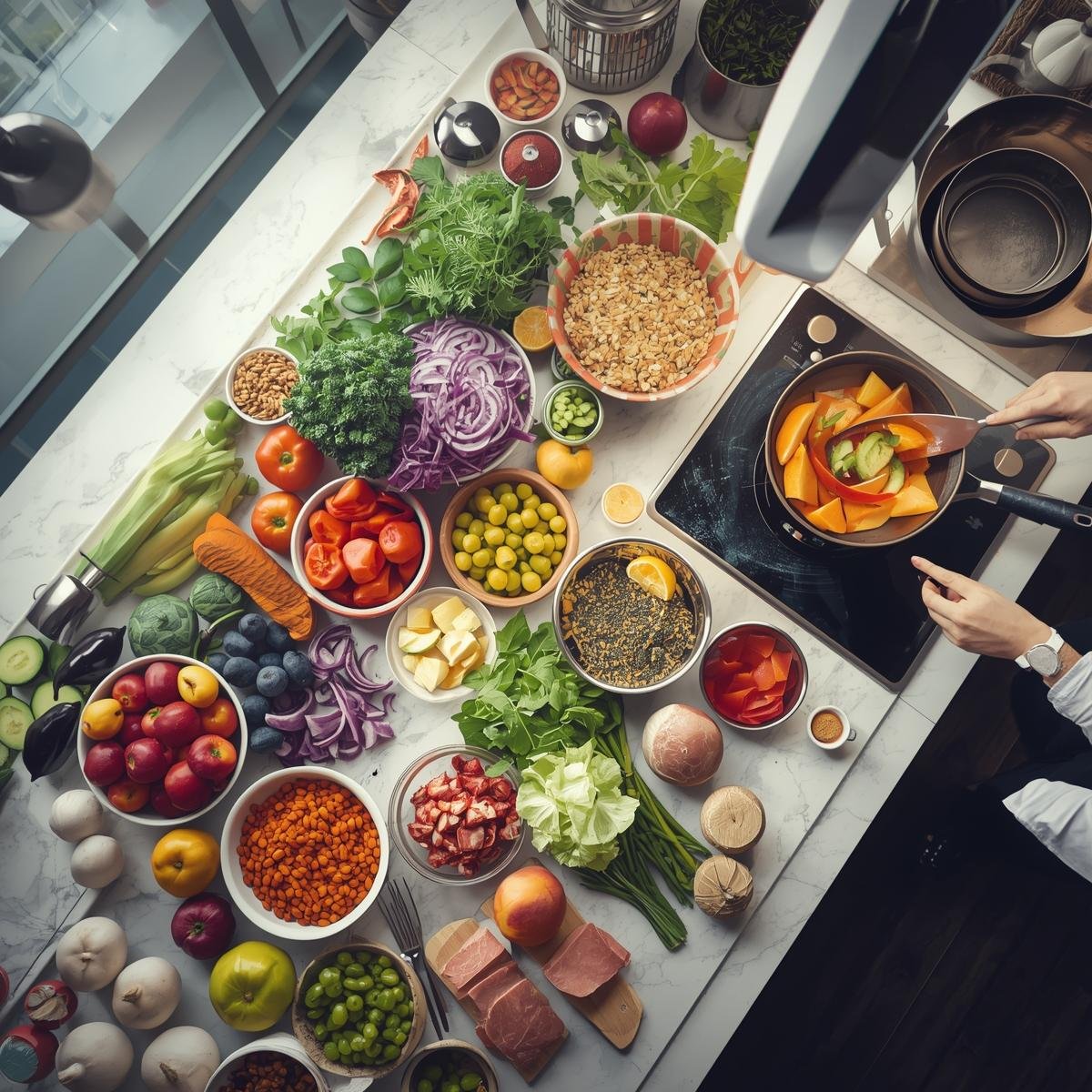
Meal prepping saves time, reduces stress, and supports healthy eating. Preparing meals in advance ensures balanced nutrition and prevents last-minute unhealthy choices. With planning and organization, meal prep can become a simple part of your weekly routine.
This guide explains practical steps to meal prep efficiently and effectively.
Why Meal Prep Matters
Meal prep provides several benefits:
- Saves time during busy weekdays
- Reduces reliance on fast food or takeout
- Supports portion control and healthier eating
- Minimizes food waste
- Improves consistency in nutrition
With structured meal prep, planning meals becomes easier and more manageable.
1. Plan Your Meals for the Week
Start by deciding what you will eat for breakfast, lunch, dinner, and snacks.
- Make a simple list of meals
- Consider dietary goals and preferences
- Include balanced portions of protein, vegetables, and grains
Planning prevents unnecessary shopping trips and ensures variety.
2. Create a Shopping List
Organize ingredients based on meals.
- Group items by category: produce, dairy, proteins, pantry staples
- Check what you already have to avoid duplicates
- Stick to your list to save time and reduce impulse buys
A well-prepared list streamlines grocery shopping.
3. Choose Easy and Batch-Friendly Recipes
Select recipes that store well and are simple to prepare.
Examples:
- Stir-fries, grain bowls, pasta dishes
- Roasted vegetables and proteins
- Overnight oats or chia pudding
- Salads with sturdy greens like kale or cabbage
Batch-cooking ingredients like rice, quinoa, and roasted vegetables saves time during the week.
4. Invest in Quality Storage Containers
Good containers keep food fresh and organized.
- Use airtight containers
- Consider portion-sized options
- Glass containers work well for reheating
- Label containers with the date
Proper storage reduces spoilage and improves convenience.
5. Cook Efficiently
Use strategies to save time:
- Cook multiple items at once in the oven
- Use slow cookers or instant pots for hands-off meals
- Pre-chop vegetables and proteins
- Clean as you go to maintain an organized kitchen
Efficient cooking reduces stress and maximizes results.
6. Store Food Correctly
- Refrigerate meals intended for 3–5 days
- Freeze portions that will be consumed later
- Keep ingredients that need daily freshness separate until serving
Proper storage maintains flavor, texture, and safety.
7. Portion Meals Ahead of Time
Dividing meals into portions ensures balanced eating.
- Use containers for single servings
- Include protein, vegetables, and grains in each portion
- Adjust portions based on personal dietary goals
Pre-portioned meals save time and reduce overeating.
8. Include Variety
Avoid meal prep fatigue by varying ingredients and flavors.
- Alternate proteins: chicken, fish, beans
- Rotate vegetables and grains
- Use different seasonings and sauces
Variety keeps meals enjoyable and nutritionally balanced.
9. Schedule Prep Time
Set aside a dedicated time each week:
- Typically 1–3 hours on weekends or free days
- Plan cooking, portioning, and storing
- Use this routine consistently
Scheduled prep makes meal prep a habit rather than a chore.
10. Track What Works
Observe what meals are popular and practical.
- Note which recipes last through the week
- Adjust quantities to prevent waste
- Record new recipe ideas for future prep
Tracking helps refine your meal prep routine over time.
Common Meal Prep Mistakes
- Prepping meals that spoil quickly
- Ignoring proper storage and containers
- Cooking recipes that do not reheat well
- Overcomplicating meals
- Skipping planning and shopping lists
Avoiding these mistakes ensures efficiency and sustainability.
Final Thoughts
Meal prepping is a practical strategy for saving time, eating healthier, and reducing stress. By planning meals, organizing shopping, cooking efficiently, and storing food correctly, anyone can meal prep like a pro.
Start small, refine your routine, and gradually expand your prep skills. Consistency leads to a well-structured, convenient, and nutritious weekly meal plan.