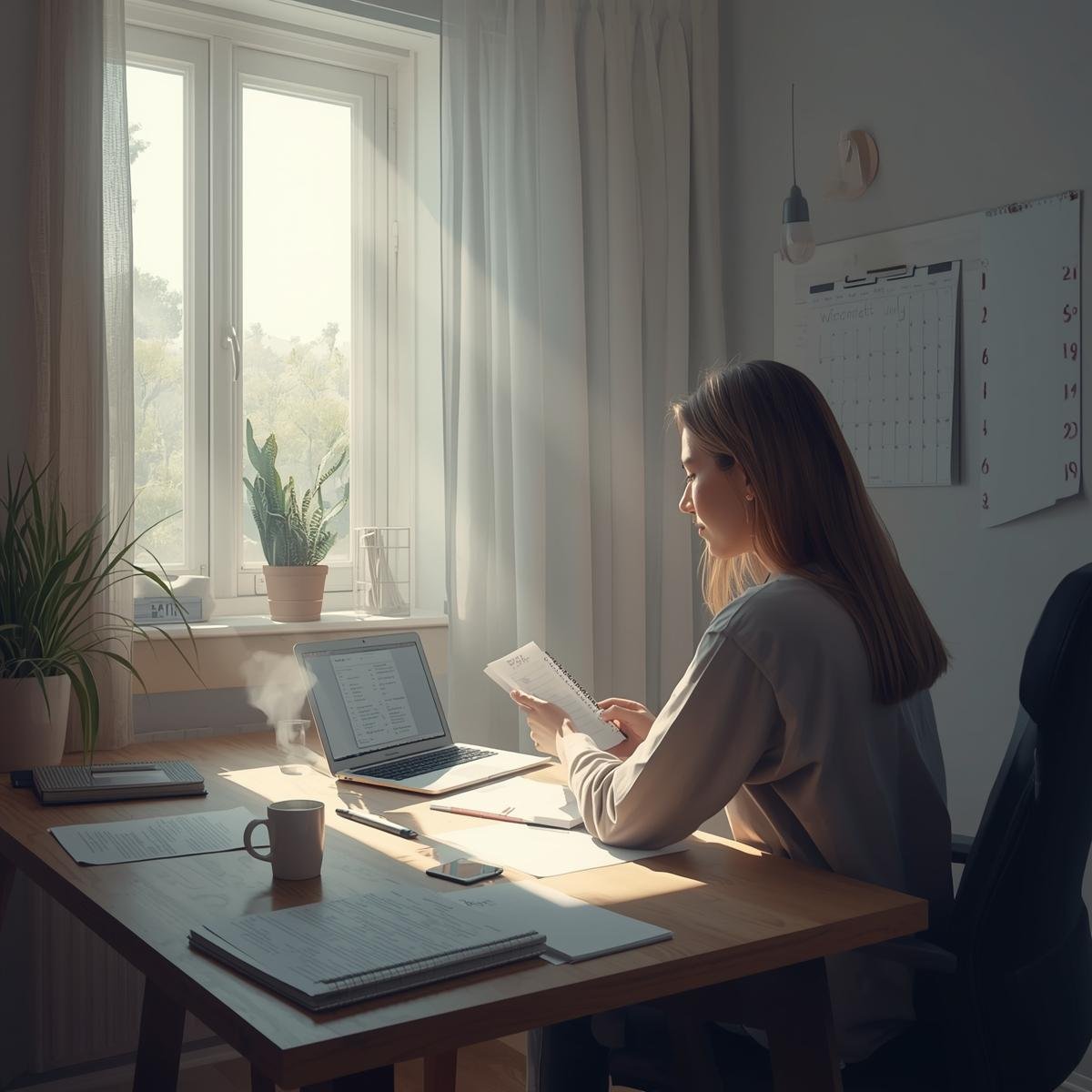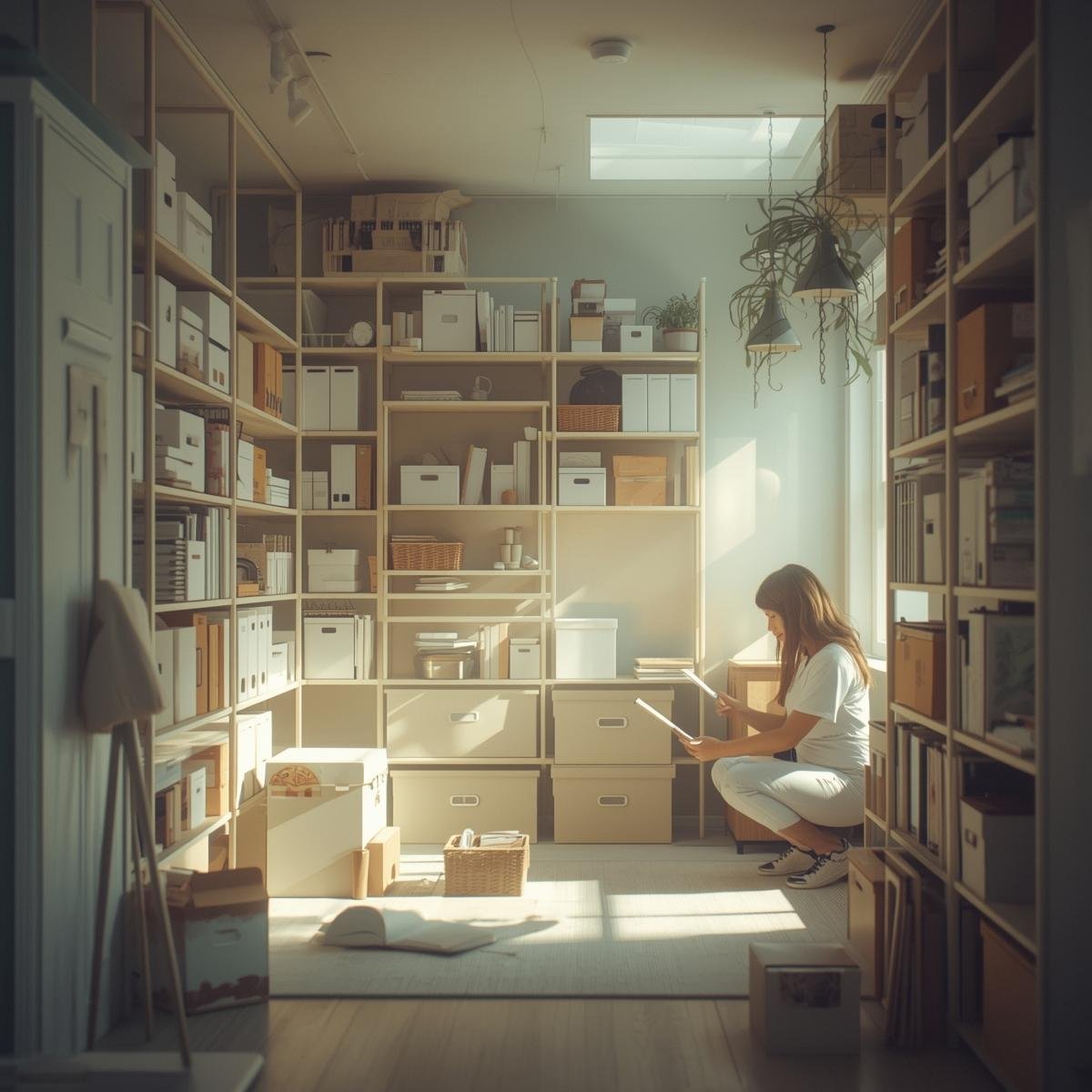
Clutter affects more than physical space. It also impacts focus, stress levels, and daily efficiency. Many people feel overwhelmed because their homes, workspaces, and schedules are crowded with unnecessary items and unfinished tasks.
Decluttering is not about perfection. It is about creating order that supports daily life. This guide explains simple steps to organize your surroundings and build habits that keep clutter from returning.
Why Decluttering Matters
Too much clutter makes it harder to concentrate and relax.
Organizing your space helps:
- Save time
- Reduce stress
- Improve focus
- Create room for important things
- Support better routines
A clear environment supports clear thinking.
Start With One Small Area
Avoid trying to organize everything at once.
Begin with:
- One drawer
- One shelf
- One desk
Completing a small area builds motivation.
Set a timer for 15–20 minutes and focus on that single space.
Use the Keep, Donate, Discard Method
Sort items into three groups:
Keep
Items you use regularly or truly need.
Donate
Items in good condition that you no longer use.
Discard
Broken, expired, or unusable items.
Make decisions quickly. If you have not used something in a year, consider letting it go.
Clear Flat Surfaces First
Flat surfaces collect clutter easily.
Start with:
- Tables
- Desks
- Countertops
Remove everything, clean the surface, then return only essential items.
This instantly improves the look of any room.
Organize by Category, Not by Room
Instead of cleaning room by room, organize by item type.
Examples:
- Clothes
- Books
- Papers
- Electronics
Gather all similar items together. This shows how much you own and makes decisions easier.
Create Simple Storage Systems
You do not need expensive organizers.
Use:
- Boxes
- Baskets
- Drawer dividers
- Clear containers
Label storage when possible.
Each item should have a clear place.
Reduce Paper Clutter
Paper piles grow fast.
Steps to manage them:
- Scan important documents
- Recycle junk mail
- File necessary papers immediately
Switch to digital bills and statements when possible.
Declutter Your Digital Life
Clutter also exists on devices.
Organize:
- Email inbox
- Desktop files
- Phone apps
- Cloud folders
Delete unused apps and old files.
Create folders with clear names.
Digital organization saves time daily.
Set Daily Reset Habits
Spend 10 minutes each evening resetting your space:
- Put items back
- Clear work surfaces
- Prepare for tomorrow
This small habit prevents clutter buildup.
Practice One-In, One-Out
For every new item you bring in, remove one old item.
This keeps possessions balanced.
Use this rule for clothes, gadgets, and household items.
Simplify Your Wardrobe
Clothing clutter is common.
Steps:
- Remove items that do not fit
- Donate unused clothes
- Group by type
- Keep seasonal items stored separately
A simple wardrobe makes daily choices easier.
Organize Your Schedule
Mental clutter comes from overloaded calendars.
Review commitments and remove non-essential tasks.
Use a planner to:
- Block time
- Track priorities
- Avoid overbooking
Organization includes time management.
Avoid Emotional Attachment to Objects
Many people keep items for emotional reasons.
Ask yourself:
- Do I use this?
- Does this support my life now?
Memories exist without objects.
Keep meaningful items, but avoid storing unnecessary things.
Make Decluttering a Routine
Decluttering is not a one-time task.
Schedule:
- Weekly quick clean
- Monthly review
- Seasonal donation
Consistency prevents chaos.
Common Decluttering Mistakes
Avoid:
- Trying to organize without removing items
- Buying storage before sorting
- Keeping duplicates
- Starting too many areas at once
Focus on progress, not perfection.
Simple Weekly Declutter Plan
Day 1: Desk and workspace
Day 2: Clothes
Day 3: Kitchen
Day 4: Digital files
Day 5: Living area
Weekend: Review and donate
Adjust based on your lifestyle.
Final Thoughts
Decluttering is about creating space for what matters. Organized environments support better habits, clearer thinking, and calmer days.
Start small, build routines, and make organization part of daily life.
Simple steps lead to lasting order.