Technology continues to shape how people live, work, and connect. In 2026, several trends are moving from early adoption into everyday use. These changes affect businesses, education, healthcare, and personal productivity.
Understanding these trends helps individuals and organizations prepare for what comes next. This article explains five important technology developments and how they are already influencing daily life.
1. Artificial Intelligence in Everyday Applications
Artificial intelligence is no longer limited to research labs or large companies. It now powers common tools such as email filters, voice assistants, recommendation systems, and writing software.
In 2026, AI is becoming part of routine tasks:
- Customer service chat systems
- Automated scheduling
- Content generation tools
- Image and video processing
- Data analysis platforms
Many businesses use AI to manage workflows, predict demand, and reduce manual work. Individuals use AI for note taking, document editing, and learning support.
One key shift is personalization. AI systems now adapt based on user behavior, providing tailored results rather than generic responses.
This trend continues to grow as models become more efficient and accessible.
2. Remote Work Technology Expansion
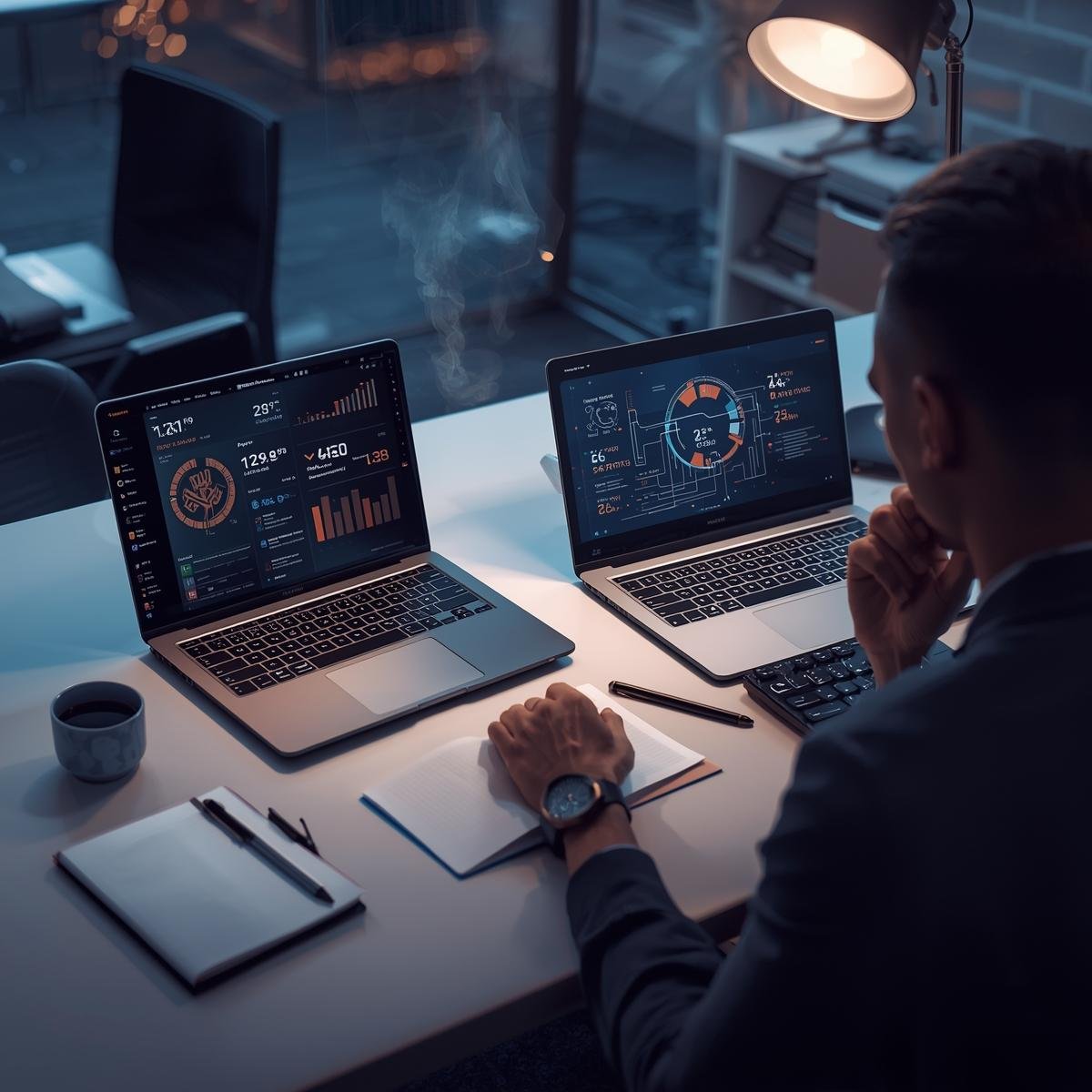
Remote work has moved from temporary solution to permanent structure for many organizations. As a result, tools that support virtual collaboration continue to improve.
Popular developments include:
- Video conferencing platforms with AI noise reduction
- Project management dashboards
- Cloud-based document systems
- Virtual whiteboards
- Secure file sharing services
Companies now invest in digital offices that replace physical meeting rooms.
Employees benefit from:
- Flexible schedules
- Reduced commuting
- Access to global opportunities
Hardware also plays a role, with better webcams, microphones, and portable workstations supporting mobile professionals.
Remote work technology is no longer optional for modern businesses.
3. Smart Home Automation
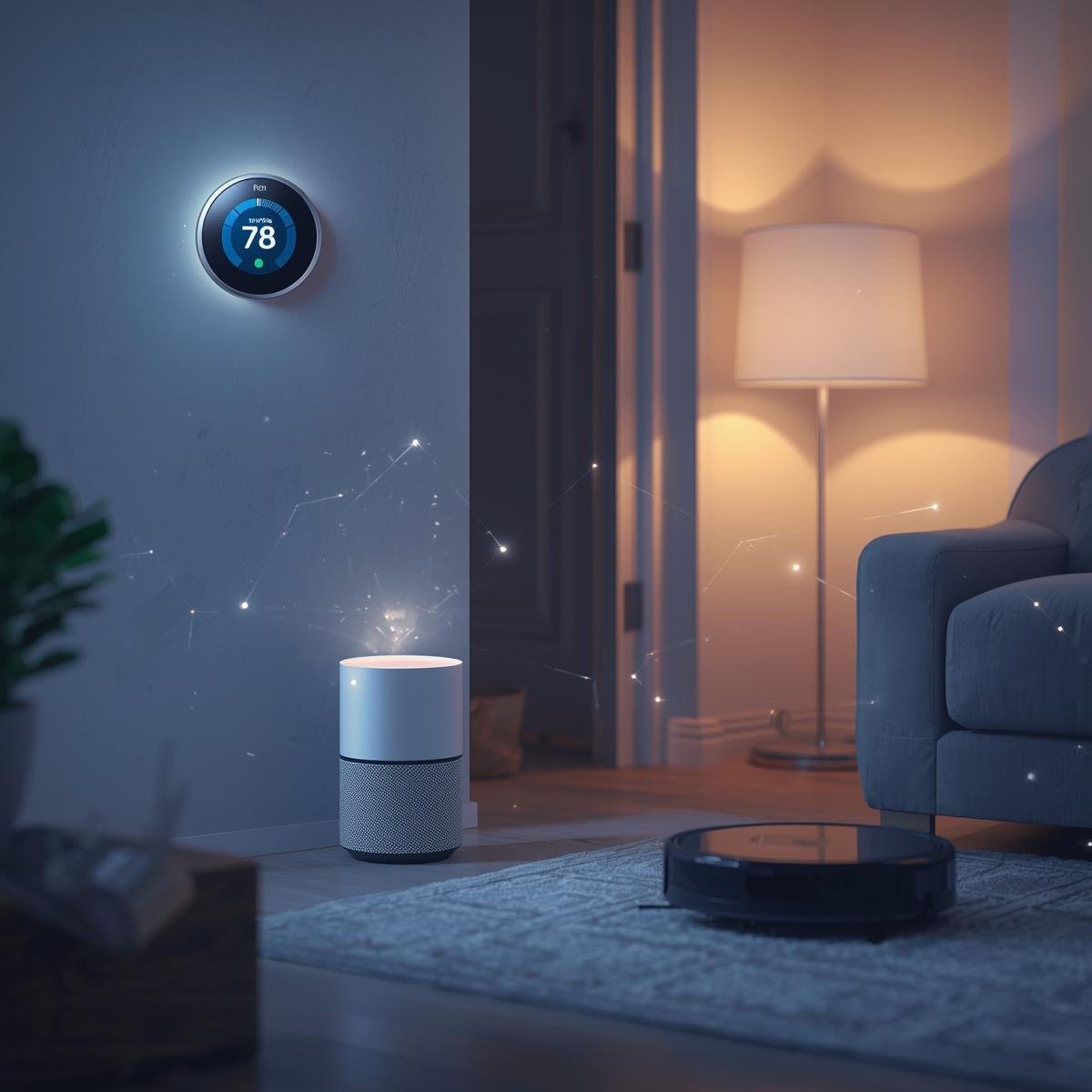
Smart homes are becoming more practical and affordable. Devices such as lights, thermostats, door locks, and cameras now work together through centralized apps.
Users can automate routines like:
- Turning off lights at night
- Adjusting temperature based on room use
- Locking doors remotely
- Receiving motion alerts
Voice assistants help control these systems hands-free.
The focus in 2026 is on integration. Instead of managing separate apps, homeowners prefer unified platforms that connect everything.
Security improvements also play a role, with encrypted connections and local data processing becoming standard.
Smart homes now support energy efficiency, safety, and daily convenience.
4. Cloud Computing for Personal and Business Use
Cloud technology allows users to store data and run applications online rather than on local machines.
In 2026, cloud platforms support:
- File storage
- Software hosting
- Backup systems
- Business analytics
- Development environments
Small businesses rely on cloud services to reduce hardware costs and scale operations quickly.
Individuals use cloud storage for photos, documents, and device syncing.
One major change is edge computing, where data processing happens closer to the user. This reduces delays and improves performance for apps like gaming, video streaming, and smart devices.
Cloud systems continue to become faster and more secure.
5. Wearable Technology Beyond Fitness
Wearables started with step counters and heart rate monitors. Now they support broader health and productivity features.
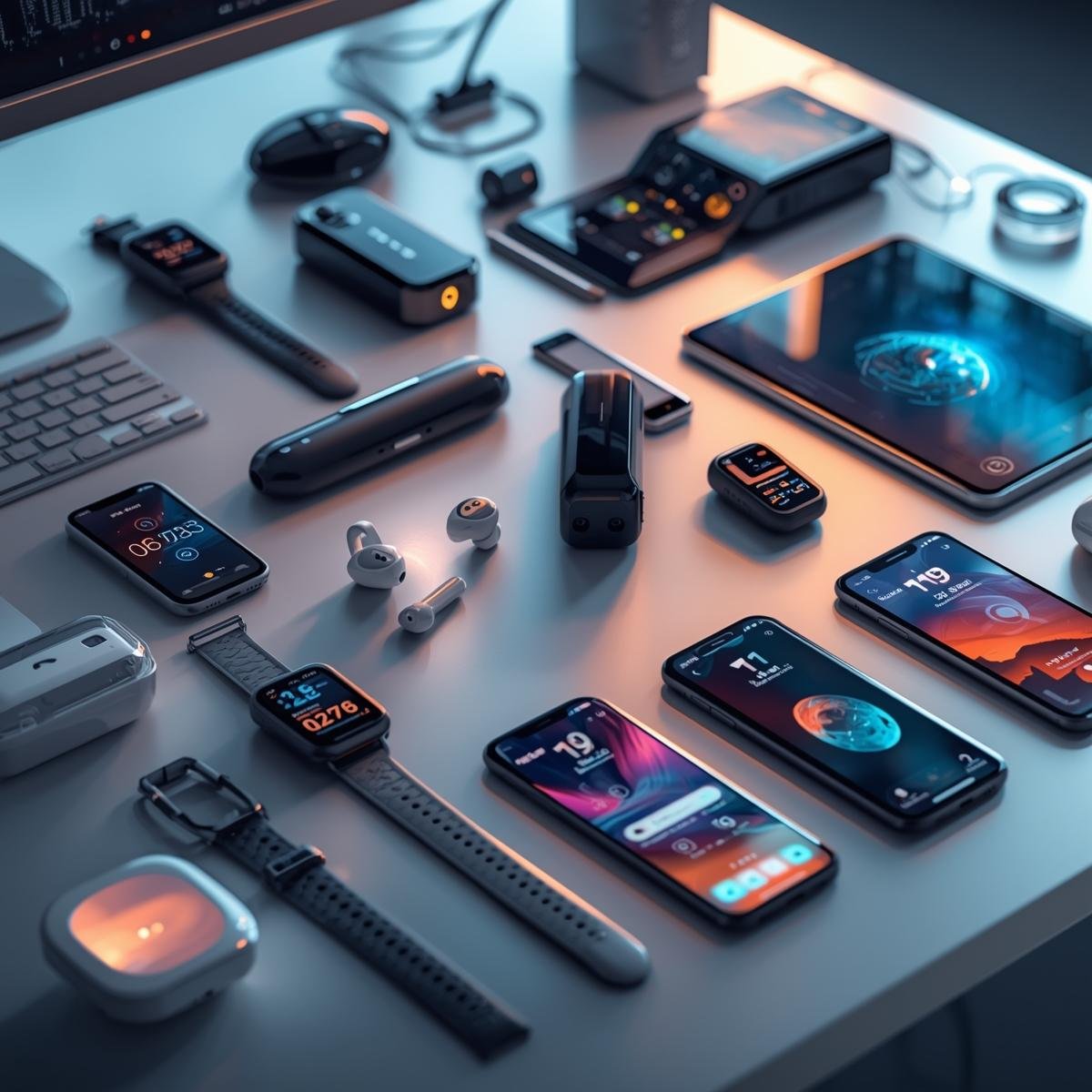
Modern wearables track:
- Sleep patterns
- Stress levels
- Blood oxygen
- Physical activity
- Location data
Some devices assist with posture correction and reminders to move.
In workplaces, wearables help manage safety and workflow tracking. In healthcare, they support remote patient monitoring.
Smart glasses and ring-based sensors are also entering the market, offering hands-free access to notifications and biometric data.
Wearable technology is shifting from fitness accessory to personal management tool.
Why These Trends Matter
Each trend focuses on improving efficiency and accessibility:
- AI reduces repetitive work
- Remote tools support flexible jobs
- Smart homes simplify household tasks
- Cloud platforms remove location limits
- Wearables provide real-time insight
Together, they create connected digital environments that support modern lifestyles.
People who understand these trends can make better choices about tools, careers, and investments.
How to Prepare for These Changes
You do not need to adopt everything at once.
Start by:
- Learning basic AI tools
- Using cloud storage
- Exploring smart home devices
- Upgrading work equipment
- Tracking health data
Small steps help build digital skills over time.
Final Thoughts
Technology trends in 2026 focus on integration rather than novelty. The goal is to make systems work together and support daily routines.
Artificial intelligence, remote collaboration, smart homes, cloud computing, and wearable devices are already shaping how people live and work.
Staying informed allows you to adapt, learn new skills, and use technology in meaningful ways.